Lipo Sculpt · Non-surgical aesthetics

Sun Damage and Pigmentation Barton-le-Clay

Understanding sun spots, age spots and cosmetic treatment options
 
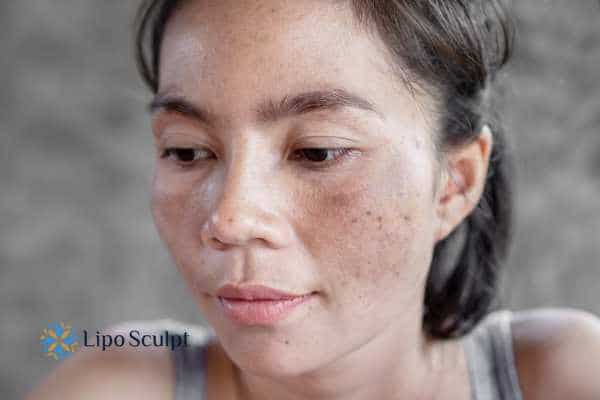
Skin pigmentation changes can become more noticeable over time, especially in areas frequently exposed to sunlight, such as the face, hands, shoulders, and arms.
These changes may include freckles, darker patches, and age spots, sometimes called solar lentigines.
Although many pigmentation changes are harmless, not every dark spot is caused by sun exposure. Some skin changes require medical assessment before we consider any cosmetic treatment.
At Lipo Sculpt, we provide information about cosmetic skin treatments, including CryoPen cryotherapy for selected benign skin lesions where appropriate.
All cosmetic treatments are subject to individual suitability assessment. We do not diagnose skin cancer or treat suspicious or undiagnosed pigmented lesions.
Sun damage Barton-le-Clay

Start with a conversation.

Understand your options before deciding on treatment.

Consultation first

Time to discuss suitability and ask questions.

A plan around you

Treatment options explained for your circumstances.

Convenient home visits

Subject to treatment and local availability.

What Is Sun Damage Barton-le-Clay?

Sun damage refers to changes in the skin caused by exposure to ultraviolet (UV) radiation from sunlight or artificial tanning sources.
Over time, repeated UV exposure can affect the skin’s appearance and structure.
Common visible changes may include:
  • Darker areas of pigmentation
  • Sun spots or age spots
  • Uneven-looking skin tone
  • Fine lines and changes in skin texture
  • Dryness or a rougher skin appearance
  • Changes in skin elasticity
Some changes are primarily cosmetic, while others may require medical attention.
UV exposure also increases the risk of certain skin cancers. For this reason, don’t assume every mark or patch is harmless sun damage.

What Are Sun Spots and Solar Lentigines?

Sun spots, also called age spots, are flat areas of increased pigmentation caused by cumulative UV exposure.
They often develop on areas regularly exposed to sunlight, including:
  • Face and forehead
  • Backs of the hands
  • Forearms
  • Shoulders
  • Upper chest
They may appear as light-brown or darker patches and vary in size.
Solar lentigines are generally benign. However, other skin conditions, including some skin cancers, can resemble ordinary pigmentation.
Do not perform cosmetic freezing on a pigmented lesion unless its benign nature has been properly established.
sun damage removal Barton-le-Clay

Can Sun Damage Be Removed?

Not all forms of sun damage can be removed or reversed.
Available options depend on the type of skin change, its underlying cause, the affected area, and the individual’s medical history.
Some cosmetic procedures may improve the appearance of selected benign pigmentation changes, but outcomes vary.
It is important to distinguish between:
  • General sun-related skin ageing
  • Benign pigmentation such as solar lentigines
  • Melasma and other pigmentation conditions
  • Rough or scaly lesions requiring medical assessment
  • Suspicious or changing pigmented lesions
A treatment suitable for one condition may be inappropriate for another.

Your treatment journey

Cosmetic Treatment Options for Sun-Related Pigmentation
Several approaches may be considered depending on the type of pigmentation and individual circumstances.
  
No cosmetic treatmentBenign pigmentation does not always require treatment
Sun protectionHelps reduce further UV damage and may limit additional pigmentation
Topical skincareCertain products may help improve the appearance of uneven pigmentation
CryotherapyControlled freezing may be considered for selected, confirmed benign lesions
Specialist skin treatmentsCertain laser or other dermatological procedures may be suitable following professional assessment
Medical assessmentNecessary for suspicious, changing or uncertain skin lesions
The most appropriate approach depends on the individual. Cosmetic treatment is not always recommended.

A considered approach

CryoPen Treatment for Selected Benign Skin Lesions
CryoPen is a cryotherapy device that delivers controlled cooling to a targeted area of skin.
Clinicians use cryotherapy in various clinical and cosmetic settings to treat certain skin lesions.
For appropriately assessed and confirmed benign lesions, controlled freezing may be considered as a cosmetic treatment option.
However, CryoPen is not suitable for every type of pigmentation or sun-related skin change.
It does not reverse all forms of UV damage and should not be presented as a treatment for generalised sun damage or skin cancer.
What Happens During Cryotherapy?
Where treatment is appropriate, the process generally involves:
1. Suitability assessment
The practitioner reviews the treatment request, relevant medical history and available information about the lesion.
If the diagnosis is uncertain, or the lesion is pigmented and has no established benign diagnosis, the practitioner must complete a medical assessment before considering cosmetic treatment.
2. Treatment discussion
The practitioner explains the proposed procedure, possible benefits, limitations, risks and aftercare requirements.
3. Controlled freezing
If appropriate, the CryoPen device is used to apply controlled cooling to the selected area.
4. Healing and aftercare
The treated area heals over time. Redness, swelling, blistering or crusting may occur.
Healing times vary, and the final cosmetic appearance may take longer to become apparent.
Further treatment may be required, and we cannot guarantee improvement.
Is CryoPen Suitable for Everyone?
No. Cryotherapy is not appropriate for every individual or skin condition.
Suitability depends on factors including:
  • The confirmed diagnosis and characteristics of the lesion
  • Skin type and pigmentation
  • Medical history
  • The location and size of the treatment area
  • Healing considerations
  • Previous skin reactions or treatments
People with darker skin tones may be particularly concerned about post-treatment pigmentation changes, although these can affect any skin type.
Cryotherapy is not appropriate for suspicious or undiagnosed pigmented lesions.
Lipo Sculpt does not offer cosmetic treatment for every skin concern, and some enquiries will require referral to a GP or dermatologist.
When Should You See Your GP About Sun Damage?
Some skin changes that look like ordinary sun spots may require medical investigation.
Arrange a GP assessment if you notice:
  • A new or unusual pigmented mark
  • A spot changing in size, shape or colour
  • Irregular or uneven borders
  • Multiple colours within one lesion
  • Bleeding, crusting or persistent irritation
  • A mark that becomes painful or itchy
  • A persistent scaly patch or growth
  • A lesion that looks noticeably different from others
These features do not necessarily indicate skin cancer, but you should not ignore them.
If a lesion is new, changing, suspicious, or not medically identified, seek GP assessment before booking cosmetic removal.
Lipo Sculpt practitioners do not provide skin cancer diagnosis or replace dermatology services.
Possible Side Effects and Risks of Cryotherapy
Cryotherapy involves controlled injury to targeted skin tissue and is not risk-free.
Possible effects include:
  • Temporary discomfort or stinging
  • Redness and swelling
  • Blistering
  • Crusting or scab formation
  • Changes in skin pigmentation
  • Lighter or darker marks after healing
  • Scarring
  • Infection
  • Incomplete treatment or recurrence
Some pigmentation changes or scars may be long-lasting or permanent.
The likelihood and severity of side effects vary by individual, treatment area, and procedure.
Your practitioner should explain the relevant risks before treatment.
Aftercare Following Cryotherapy
Aftercare depends on the treatment performed and the practitioner’s instructions.
General recommendations may include:
  • Keeping the treated area clean
  • Avoiding picking or scratching scabs
  • Following any specific wound-care instructions
  • Protecting healing skin from sunlight
  • Avoiding irritating skincare products until appropriate
  • Monitoring for unexpected symptoms or delayed healing
Seek medical advice if you experience increasing pain, spreading redness, discharge or other signs of infection.
Healing times vary, and the treated area may look different from the surrounding skin while it heals.
How Can You Help Prevent Further Sun Damage?
Although you can’t always reverse existing UV-related changes, sensible sun protection can help reduce further damage.
Consider the following measures:
  • Use a broad-spectrum sunscreen with SPF 30 or higher and good UVA protection.
  • Reapply sunscreen regularly, particularly after swimming or sweating.
  • Seek shade during periods of strong sunlight.
  • Wear protective clothing and a wide-brimmed hat.
  • Avoid sunbeds
  • Check your skin regularly for new or changing marks.
Sun protection remains important even after cosmetic pigmentation treatment.
Home-Based Cosmetic Consultations
Lipo Sculpt provides a mobile service, with home visits available in selected areas of the UK where appropriate.
We aim to help customers understand the cosmetic options available and whether they need further professional assessment.
An initial consultation may involve discussing:
  • The area of skin causing concern
  • The nature and history of the skin change
  • Previous medical assessment or diagnosis
  • General suitability for cosmetic treatment
  • Potential risks and limitations
  • Whether an appointment or medical referral is appropriate
Home-based cosmetic consultations are not a substitute for medical skin examinations or diagnosis.
Treatment is offered only where the practitioner considers it appropriate and within their professional scope.

Your questions, answered

Frequently Asked Questions About Sun Damage

These answers offer a starting point. Your consultation provides information specific to the treatment and your circumstances.

Cryotherapy may be considered for certain confirmed benign skin lesions, including some solar lentigines, where the practitioner is appropriately trained and treatment is suitable.
However, it is not appropriate for all pigmented marks. Medical confirmation of the lesion’s benign nature is important before cosmetic freezing.
Results vary, and complete removal cannot be guaranteed.
Solar lentigines themselves are generally benign.
However, not every brown or dark mark is a solar lentigo. Some skin cancers can resemble harmless pigmentation.
A GP should assess new, changing, or unusual marks.
Some people experience stinging, cold sensations or discomfort during treatment.
Sensitivity varies, and discomfort may continue temporarily afterwards.
Treatment should not be described as completely painless.
Healing times depend on the treated area, the depth of freezing, and individual skin response.
Temporary redness, blistering, or crusting may occur, and pigmentation changes can persist beyond the initial healing period.
Your practitioner should provide individual aftercare guidance.

Further UV exposure can contribute to additional pigmentation changes.

Some treated lesions may also persist or recur.

Cosmetic procedures cannot prevent future sun damage, making ongoing sun protection important.

Cryotherapy is not generally a preferred treatment for melasma and may worsen pigmentation.
Melasma requires a different assessment and management approach. A GP or dermatologist can advise on appropriate options.
No. Lipo Sculpt does not provide CryoPen treatment for suspected or diagnosed skin cancer.
Suspicious lesions require appropriate medical investigation and management.
If the lesion is pigmented, you must establish a benign diagnosis before considering cosmetic freezing.
If a mark is new, changing, symptomatic or uncertain, you should arrange a GP assessment.
A cosmetic practitioner cannot diagnose skin cancer.
Lipo Sculpt offers mobile appointments in selected locations, subject to practitioner availability and treatment suitability.
We can’t assess or treat every skin concern at home.

Let's talk about your options

Contact Lipo Sculpt About Your Skin Concerns
If you are concerned about sun-related pigmentation or a previously diagnosed benign skin lesion, our team can share information about available cosmetic services.
We can discuss whether an initial consultation is appropriate and explain the limitations of cosmetic cryotherapy.
Please remember that not all skin changes are suitable for cosmetic treatment, and medical assessment may be necessary.
Contact Lipo Sculpt to discuss your enquiry and available appointment options.
Important: This information is provided for general educational purposes and does not replace medical advice, diagnosis or treatment. Cosmetic cryotherapy is subject to suitability assessment, and results cannot be guaranteed.